InterAction Releases New U.S. Humanitarian Funding Analysis
InterAction released a new analysis of U.S. humanitarian assistance, finding that while the United States remains one of the world’s…
In the aftermath of 9/11, efforts to combat and counter-terrorist activities (C.T.) have been a foreign policy priority for governments,…
President Trump has made clear his desire to move on from Syria. But this would be a mistake. Disengagement now would condemn Syrians to a new round of suffering.
Expert Analysis, News, and Research Aggregated in Easy-to-Navigate Platform
InterAction CEO noted that the gap between current needs and what the humanitarian system can currently deliver is increasing.
Understanding How U.S. Humanitarian Assistance Is Changing As the United States enters FY27, humanitarian funding is undergoing a significant transformation.
WASHINGTON, D.C., Jan. 27, 2026 — The Trump Administration’s new Promoting Human Flourishing in U.S. foreign assistance policy, as currently…
At InterAction’s Annual Membership Meeting on June 17, we said goodbye and thank you to three departing members of our…
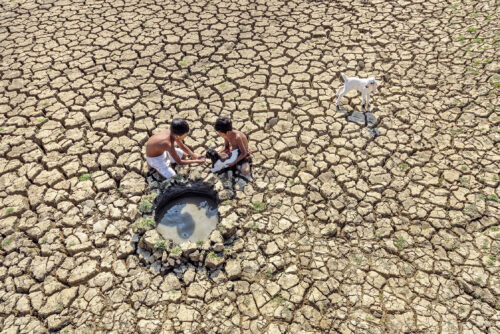
Two major climate trends are reshaping the humanitarian landscape: the increasing frequency of acute, high-cost disasters and…
Aid workers are increasingly being targeted by armed actors who seek to intimidate, coerce, or disrupt aid operations for strategic gains. In Gaza and South Sudan, in Yemen and the Central African Republic, disinformation campaigns are fueling hostility toward aid agencies. These threats not only endanger the lives of those dedicated to humanitarian action but also severely hinder access to essential aid for millions of vulnerable people in conflict-affected areas.